
-
 Products
Shanghai armored shield plastic technology co., ltd, brand "armored shield", is a production-oriented enterprise focusing on the research and development, design, customization, production, sales and service of special safety protection boxes; "armored shield" aims to provide integrated packaging protection solutions for major instrument and equipment manufacturers, aerospace, fire protection, medical and other industries.
-
 Case
CaseShanghai armored shield plastic technology co., ltd, brand "armored shield", is a production-oriented enterprise focusing on the research and development, design, customization, production, sales and service of special safety protection boxes; "armored shield" aims to provide integrated packaging protection solutions for major instrument and equipment manufacturers, aerospace, fire protection, medical and other industries.
-
 Customized
Shanghai armored shield plastic technology co., ltd, brand "armored shield", is a production-oriented enterprise focusing on the research and development, design, customization, production, sales and service of special safety protection boxes; "armored shield" aims to provide integrated packaging protection solutions for major instrument and equipment manufacturers, aerospace, fire protection, medical and other industries.
-
 Technical Q & A
Shanghai armored shield plastic technology co., ltd, brand "armored shield", is a production-oriented enterprise focusing on the research and development, design, customization, production, sales and service of special safety protection boxes; "armored shield" aims to provide integrated packaging protection solutions for major instrument and equipment manufacturers, aerospace, fire protection, medical and other industries.
-
 About
AboutShanghai armored shield plastic technology co., ltd, brand "armored shield", is a production-oriented enterprise focusing on the research and development, design, customization, production, sales and service of special safety protection boxes; "armored shield" aims to provide integrated packaging protection solutions for major instrument and equipment manufacturers, aerospace, fire protection, medical and other industries.
-
 Contact
Shanghai armored shield plastic technology co., ltd, brand "armored shield", is a production-oriented enterprise focusing on the research and development, design, customization, production, sales and service of special safety protection boxes; "armored shield" aims to provide integrated packaging protection solutions for major instrument and equipment manufacturers, aerospace, fire protection, medical and other industries.
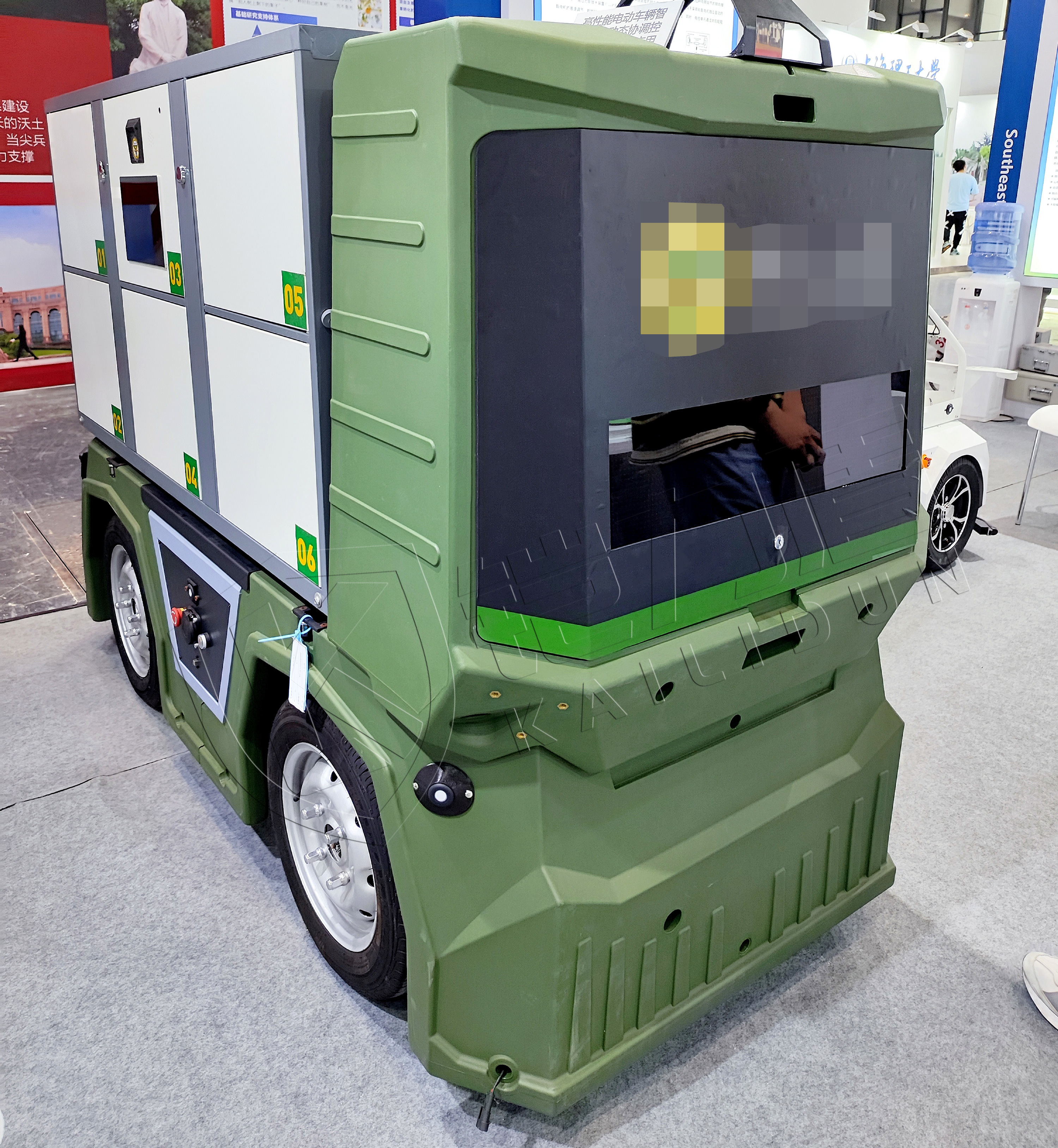
Kaili Shield Customized Rotational Molding Unmanned Delivery Vehicle
Classification:
- Detailed Description
-
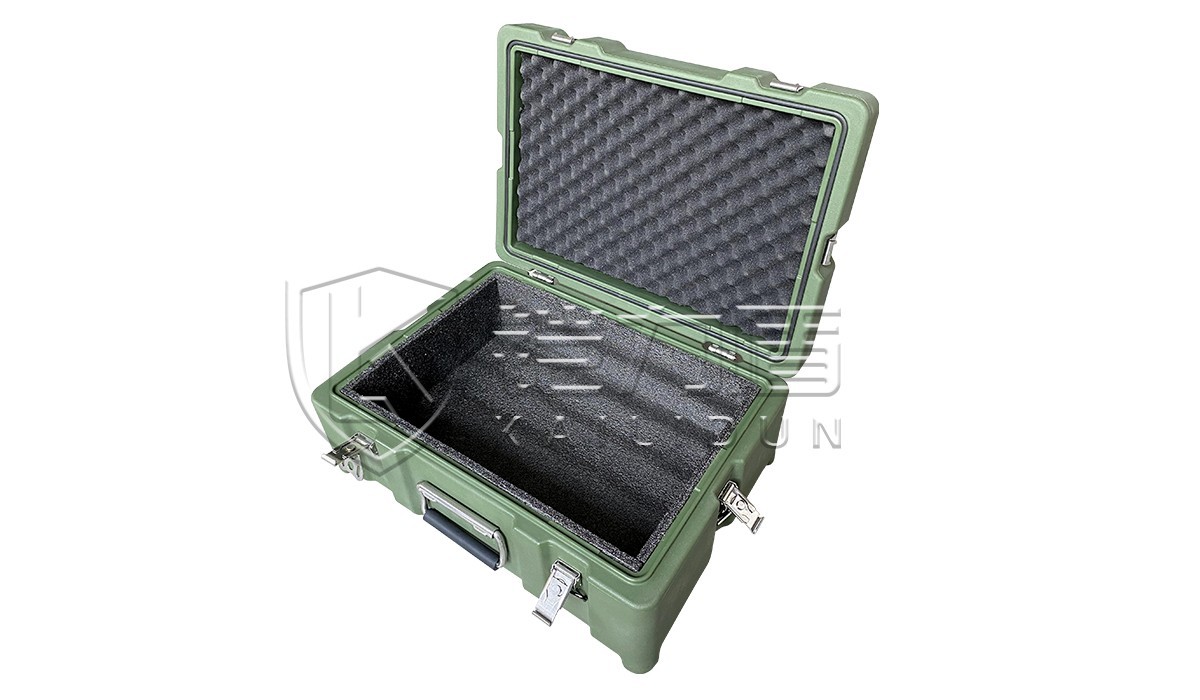
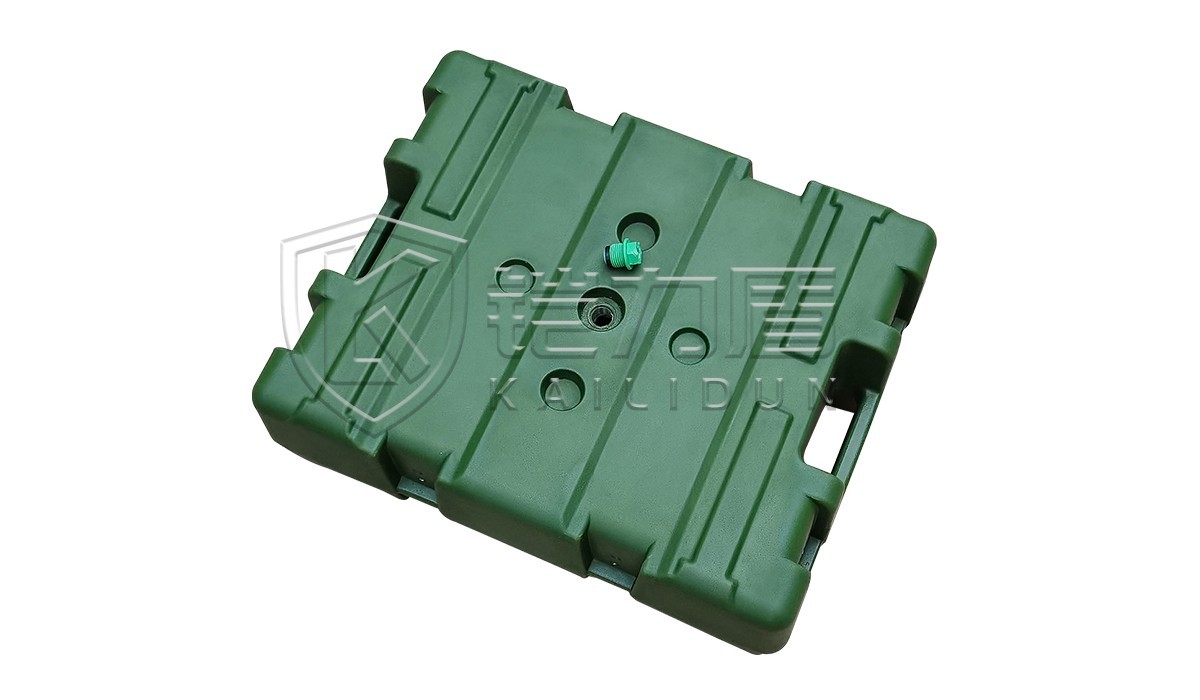
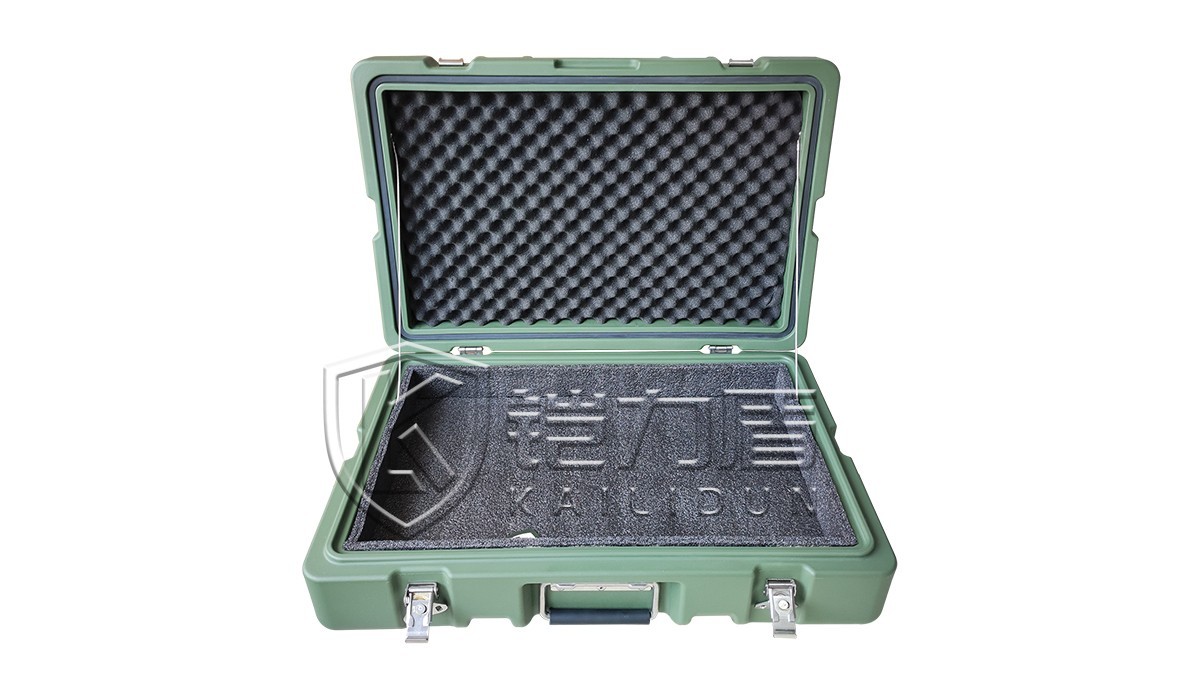
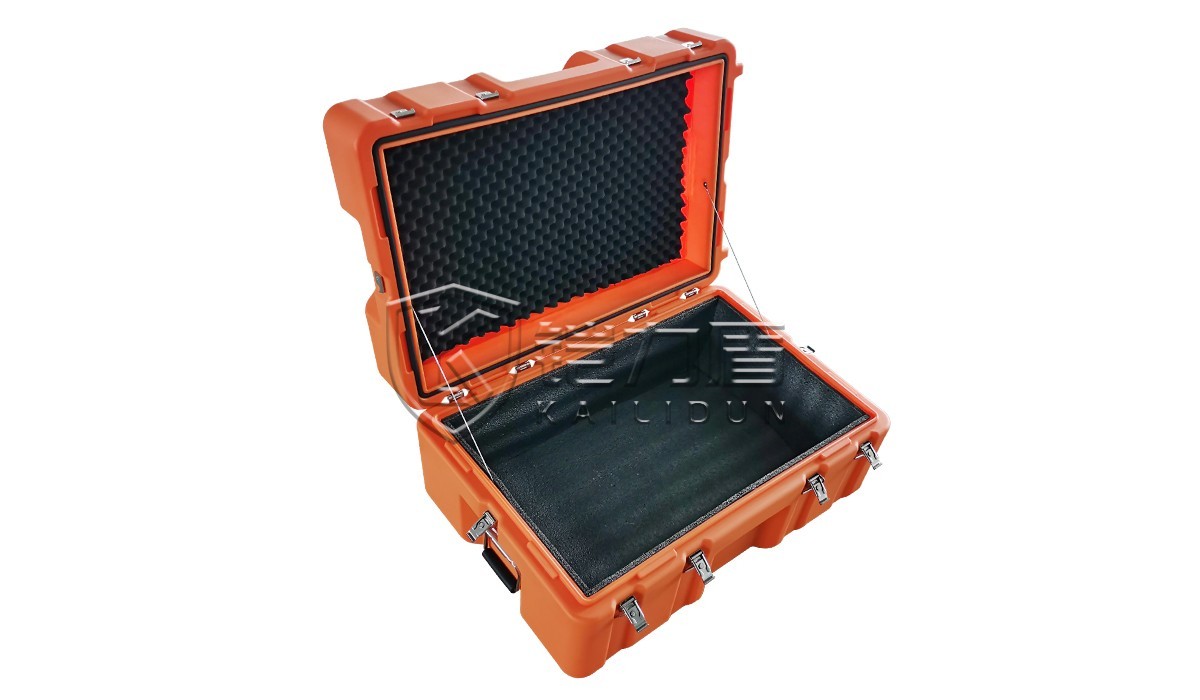
- Commodity name: Kaili Shield Customized Rotational Molding Unmanned Delivery Vehicle
In today’s rapidly advancing technological landscape, autonomous driving technology is gradually transitioning from science fiction into everyday reality. Among its key applications, unmanned delivery vehicles are quietly reshaping both our lifestyles and the logistics industry. These compact, intelligent vehicles can autonomously transport and deliver goods without human drivers, boosting logistical efficiency while offering a fresh solution to the “last-mile” delivery challenge.
I. The Background to the Rise of Autonomous Delivery Vehicles
With the rapid growth of e‑commerce, consumers are placing increasingly higher demands on the speed and accuracy of parcel delivery. Traditional delivery methods face challenges such as high labor costs, traffic congestion, and difficulty in ensuring timely deliveries. Meanwhile, the swift advancement of technologies like artificial intelligence, the Internet of Things, and big data has provided robust technical support for the development and deployment of autonomous delivery vehicles. With their efficiency, flexibility, and low operating costs, these vehicles have emerged as a promising solution to address key pain points in the logistics industry.
II. Core Technologies of Autonomous Delivery Vehicles
The operation of autonomous delivery vehicles relies on the integrated application of multiple cutting-edge technologies, primarily including:
1. Autonomous driving technology: By fusing data from multiple sensors—including LiDAR, cameras, and millimeter-wave radar—systems can perceive and understand their surrounding environment. Combined with high-precision maps and positioning technologies, this enables autonomous navigation and obstacle avoidance.
2. Internet of Things Technology: By leveraging IoT technology, autonomous delivery vehicles can achieve seamless information connectivity with logistics nodes such as warehouses and pickup points, enabling real-time updates on shipment status and optimizing delivery routes.
3. Artificial Intelligence Algorithms: By leveraging algorithms such as deep learning and machine learning, autonomous delivery vehicles can continuously refine their navigation strategies, enhance delivery efficiency, and develop a degree of self-learning and adaptability to handle complex and ever-changing delivery environments.
4. Battery and Energy Management Technologies: An efficient battery pack and an intelligent energy management system ensure that the autonomous delivery vehicle has sufficient range to meet round-the-clock delivery requirements.
III. Application Scenarios and Advantages of Autonomous Delivery Vehicles
Unmanned delivery vehicles have a wide range of application scenarios, including but not limited to:
1. Campus Delivery: On campus, autonomous delivery vehicles can safely and punctually deliver packages, takeout, and other items to student dormitories or designated locations, reducing labor costs and improving delivery efficiency.
2. Community Delivery: For residential communities, autonomous delivery vehicles can address issues such as parcel congestion and inconvenient pickup, thereby enhancing user satisfaction while also reducing the workload of property management staff.
3. Commercial District Delivery: In densely populated commercial districts, autonomous delivery vehicles can navigate narrow streets with ease, swiftly delivering food takeout, fresh produce, and other items, thereby reducing traffic congestion and enhancing urban logistics efficiency.
Compared with traditional delivery methods, autonomous delivery vehicles offer the following significant advantages:
① Cost-effectiveness: It has reduced labor costs and improved delivery efficiency.
② Safety: It reduces the risk of traffic accidents caused by human error.
③ Flexibility: It can operate continuously around the clock and adapt to all weather conditions.
④ Environmental friendliness: It employs electric propulsion, reducing carbon emissions and aligning with the trend toward green logistics.
IV. Challenges Faced and Future Prospects
Although unmanned delivery vehicles demonstrate tremendous development potential, their widespread adoption still faces numerous challenges, including the need to refine relevant laws and regulations, enhance public acceptance, and ensure technological maturity and safety. Moreover, achieving precise localization and obstacle avoidance in complex urban environments, as well as reducing energy consumption while maintaining efficiency, remain key priorities in current research and development efforts.
In the future, as technology continues to advance and the policy environment becomes increasingly mature, autonomous delivery vehicles are expected to find applications across a broader range of sectors, becoming an integral part of smart logistics systems. Meanwhile, through deep integration with other intelligent technologies—such as drones and smart warehousing—a more efficient and coordinated logistics ecosystem will take shape, driving the logistics industry toward greater intelligence, sustainability, and service‑oriented innovation.
The emergence of autonomous delivery vehicles not only marks a revolutionary leap in the logistics industry but also represents an important step in humanity’s quest to reimagine future lifestyles. As the technology continues to mature and its applications expand, there is every reason to believe that these vehicles will usher in a new era of logistics—one that is more convenient, efficient, and environmentally sustainable.
Key words:
rotomolding airdrop box | safety protection box | server rack box | Aviation aluminum box | cold chain incubator | fire cart
Online consultation
If you are interested in our products, please leave your email and get the product quotation for free, thank you!

A production-oriented enterprise focusing on the research and development, design, customization, production, sales and service of special safety protection boxes; "armored shield" aims to provide integrated packaging protection solutions for major instrument and equipment manufacturers, aerospace, fire protection, medical and other industries.


Contact Us
Service Hotline: 139-1747-5956
Service Hotline:137-6128-2604
E-mail:sales@kldcases.com
Company address: 703A, Building A8, Kangqiao Business Oasis, caohejing, Pudong New Area, Shanghai
Factory address: 500 Yedao Road, Xitangqiao Town, Haiyan County, Jiaxing City, Zhejiang Province

Sweep and add WeChat
Learn more about products
Links: