
-
 Products
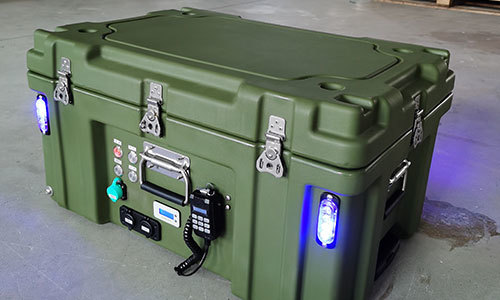
Shanghai armored shield plastic technology co., ltd, brand "armored shield", is a production-oriented enterprise focusing on the research and development, design, customization, production, sales and service of special safety protection boxes; "armored shield" aims to provide integrated packaging protection solutions for major instrument and equipment manufacturers, aerospace, fire protection, medical and other industries.
-
 Case
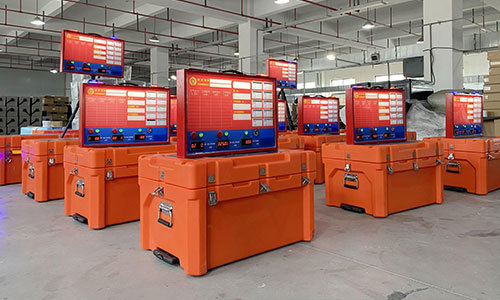
CaseShanghai armored shield plastic technology co., ltd, brand "armored shield", is a production-oriented enterprise focusing on the research and development, design, customization, production, sales and service of special safety protection boxes; "armored shield" aims to provide integrated packaging protection solutions for major instrument and equipment manufacturers, aerospace, fire protection, medical and other industries.
-
 Customized
Shanghai armored shield plastic technology co., ltd, brand "armored shield", is a production-oriented enterprise focusing on the research and development, design, customization, production, sales and service of special safety protection boxes; "armored shield" aims to provide integrated packaging protection solutions for major instrument and equipment manufacturers, aerospace, fire protection, medical and other industries.
-
 Technical Q & A
Shanghai armored shield plastic technology co., ltd, brand "armored shield", is a production-oriented enterprise focusing on the research and development, design, customization, production, sales and service of special safety protection boxes; "armored shield" aims to provide integrated packaging protection solutions for major instrument and equipment manufacturers, aerospace, fire protection, medical and other industries.
-
 About
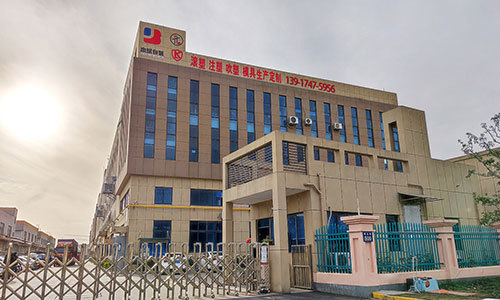
AboutShanghai armored shield plastic technology co., ltd, brand "armored shield", is a production-oriented enterprise focusing on the research and development, design, customization, production, sales and service of special safety protection boxes; "armored shield" aims to provide integrated packaging protection solutions for major instrument and equipment manufacturers, aerospace, fire protection, medical and other industries.
-
 Contact
Shanghai armored shield plastic technology co., ltd, brand "armored shield", is a production-oriented enterprise focusing on the research and development, design, customization, production, sales and service of special safety protection boxes; "armored shield" aims to provide integrated packaging protection solutions for major instrument and equipment manufacturers, aerospace, fire protection, medical and other industries.
What should be done with the firefighting equipment inside a rotomolded fire-fighting cabinet?
Classification:
- Description
- Case
- Industry
- size
-
- Commodity name: What should be done with the firefighting equipment inside a rotomolded fire-fighting cabinet?
In modern urban development and everyday life, fire safety is an indispensable component. As a critical storage solution for firefighting equipment, rotomolded fire‑fighting cabinets are widely used in various settings thanks to their excellent weather resistance, superior corrosion protection, and lightweight design. However, when discussing these cabinets, one issue cannot be overlooked: how should the firefighting equipment inside be managed, maintained, and replaced? The editors at Kailidun will delve into this question in detail.
I. Basic Functions and Features of Rotational Molding Firefighting Cabinets
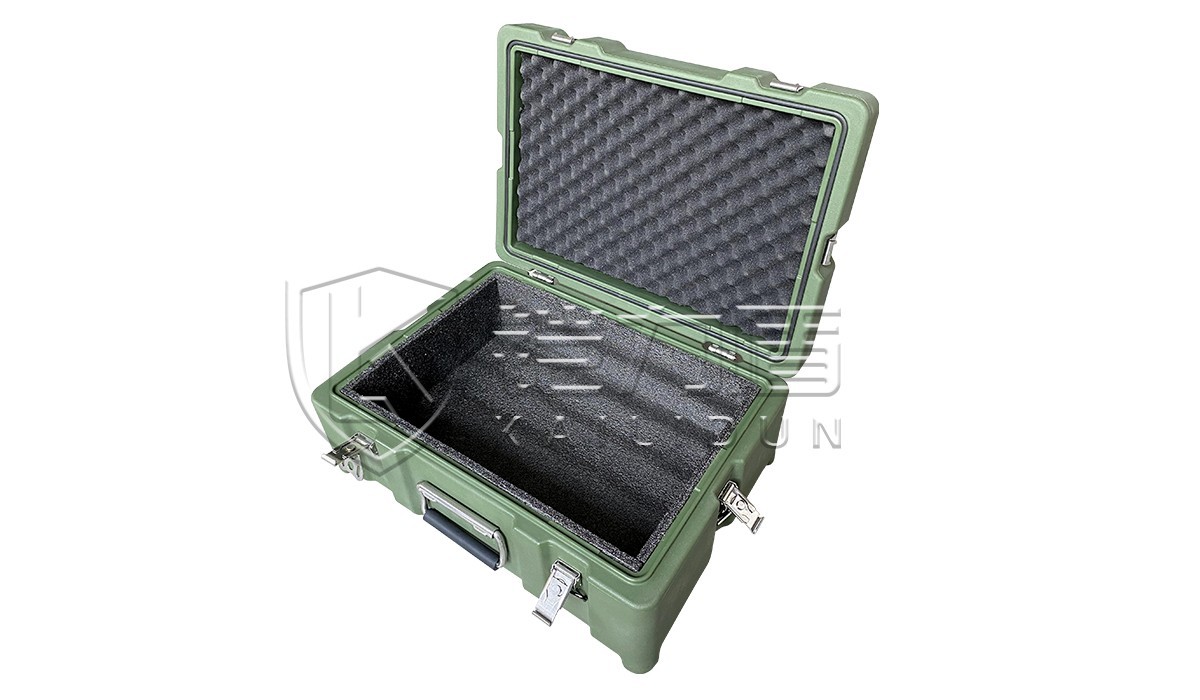
Rotational molding fire‑fighting cabinets, as the name suggests, are storage containers for firefighting equipment manufactured using the rotational molding process. Rotational molding is a technique in which plastic resin is heated and then rotated within a mold to achieve shaping, offering advantages such as uniform wall thickness, controllable product thickness, and seamless construction. Rotational‑molded fire‑fighting cabinets typically feature the following characteristics:
1. Excellent weather resistance: Rotational-molded fire-fighting cabinets are typically made from weather-resistant materials such as PE (polyethylene), enabling long-term use in harsh environments without deformation or aging.
2. Excellent corrosion resistance: Thanks to the material’s excellent corrosion‑resistant properties, rotomolded fire‑fighting cabinets can effectively withstand the corrosive effects of water, acids, alkalis, and other substances.
3. Lightweight: Compared with traditional metal fire cabinets, rotomolded fire cabinets are lighter in weight, making them easier to handle and install.
4. High security: Rotational-molded fire-fighting cabinets are designed with practicality in mind and typically feature anti-theft locks, effectively preventing theft or unauthorized use of equipment.
II. Types and Configuration of Firefighting Equipment Inside Rotational Molding Firefighting Cabinets
Rotational-molded fire cabinets typically store the following firefighting equipment:
1. Fire extinguisher: These include dry chemical fire extinguishers, water-based fire extinguishers, carbon dioxide fire extinguishers, and others, used to extinguish incipient fires.
2. Fire hoses and nozzles: Used to connect to fire-fighting water sources for large-scale firefighting.
3. Fire Axe: Used to dismantle obstacles and create escape routes.
4. Fire shovel: Used for excavating and transporting sand and soil, as well as assisting in firefighting.
5. Emergency lighting and exit signs: Provide lighting and escape guidance during a fire.
6. Protective Equipment: Such as fire helmets, protective suits, and respirators, which are used to ensure the safety of rescue personnel.

III. Management and Maintenance of Firefighting Equipment Inside Rotational-Molded Fire Cabinets
Although rotomolded fire cabinets offer numerous advantages, the management and maintenance of the internal firefighting equipment are equally important. The following are some specific measures:
1. Regular inspections: Regularly inspect rotomolded fire cabinets and their internal equipment to ensure that all items are intact and functioning properly. Inspection items include the equipment’s exterior condition, pressure gauge readings, and expiration dates. 2. Timely Replacement: Replace any equipment that has expired or is damaged without delay. In particular, fire extinguishers must be inspected and replaced at prescribed intervals in strict accordance with relevant national standards.
3. Cleaning and Maintenance: Regularly clean and maintain the rotomolded fire-fighting cabinet and its internal equipment to prevent dust, dirt, and other contaminants from compromising their performance.
4. Record Keeping: After each inspection, replacement, or cleaning and maintenance, detailed records shall be kept and archived for future reference.
5. Training and Education: Conduct regular fire safety training for relevant personnel to enhance their awareness of and proficiency in using fire-fighting equipment.
IV. Principles and Procedures for Replacing Firefighting Equipment Inside Rotational Molding Fire Cabinets
The replacement of internal fire-fighting equipment in rotomolded fire cabinets shall adhere to the following principles:
1. Follow the standard: Replacement shall be carried out in strict accordance with relevant national standards and regulations to ensure that the equipment meets the required quality specifications.
2. Timely and effective: Once equipment is found to be damaged or expired, it should be replaced immediately to ensure that fire-fighting equipment remains in working condition at all times.
3. Standardized Procedures: During the replacement process, standard operating procedures must be followed to prevent equipment damage or personal injury caused by improper handling.
The specific replacement procedure is as follows:
1. Prepare new equipment: Prepare new equipment that meets the required standards as needed.
2. Turn off the power (if applicable): For equipment containing electronic components, such as emergency lighting fixtures, the power supply should be switched off before replacement.
3. Remove the old equipment: Open the rotomolded fire-fighting cabinet and remove the old equipment that needs to be replaced.
4. Install new equipment: Install the new equipment in the designated location according to the instruction manual or relevant specifications.
5. Inspection and Testing: After installation is complete, inspect and test the new equipment to ensure it functions properly.
6. Record Keeping: The replacement details shall be recorded and filed.
V. Conclusion
Rotational-molded fire‑fighting cabinets, as essential containers for storing firefighting equipment, play a critical role in ensuring fire safety. However, only through the scientific and effective management and maintenance of the firefighting equipment inside these cabinets can their proper functionality be guaranteed when it matters most. Therefore, we must place great emphasis on the management and upkeep of rotational-molded fire‑fighting cabinets and their internal contents, thereby contributing to the creation of a safe and harmonious social environment.
Key words:
rotomolding airdrop box | safety protection box | server rack box | Aviation aluminum box | cold chain incubator | fire cart
Online consultation
If you are interested in our products, please leave your email and get the product quotation for free, thank you!

A production-oriented enterprise focusing on the research and development, design, customization, production, sales and service of special safety protection boxes; "armored shield" aims to provide integrated packaging protection solutions for major instrument and equipment manufacturers, aerospace, fire protection, medical and other industries.


Contact Us
Service Hotline: 139-1747-5956
Service Hotline:137-6128-2604
E-mail:sales@kldcases.com
Company address: 703A, Building A8, Kangqiao Business Oasis, caohejing, Pudong New Area, Shanghai
Factory address: 500 Yedao Road, Xitangqiao Town, Haiyan County, Jiaxing City, Zhejiang Province

Sweep and add WeChat
Learn more about products
Links: