
-
 Products
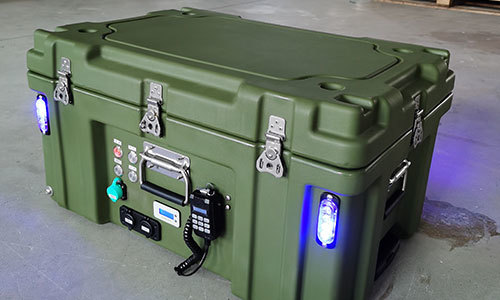
Shanghai armored shield plastic technology co., ltd, brand "armored shield", is a production-oriented enterprise focusing on the research and development, design, customization, production, sales and service of special safety protection boxes; "armored shield" aims to provide integrated packaging protection solutions for major instrument and equipment manufacturers, aerospace, fire protection, medical and other industries.
-
 Case
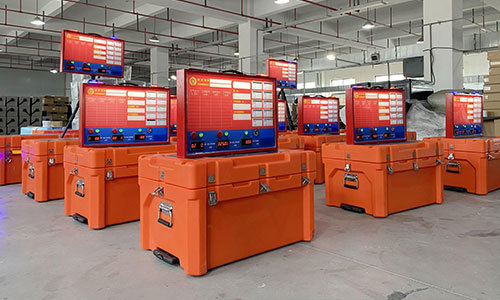
CaseShanghai armored shield plastic technology co., ltd, brand "armored shield", is a production-oriented enterprise focusing on the research and development, design, customization, production, sales and service of special safety protection boxes; "armored shield" aims to provide integrated packaging protection solutions for major instrument and equipment manufacturers, aerospace, fire protection, medical and other industries.
-
 Customized
Shanghai armored shield plastic technology co., ltd, brand "armored shield", is a production-oriented enterprise focusing on the research and development, design, customization, production, sales and service of special safety protection boxes; "armored shield" aims to provide integrated packaging protection solutions for major instrument and equipment manufacturers, aerospace, fire protection, medical and other industries.
-
 Technical Q & A
Shanghai armored shield plastic technology co., ltd, brand "armored shield", is a production-oriented enterprise focusing on the research and development, design, customization, production, sales and service of special safety protection boxes; "armored shield" aims to provide integrated packaging protection solutions for major instrument and equipment manufacturers, aerospace, fire protection, medical and other industries.
-
 About
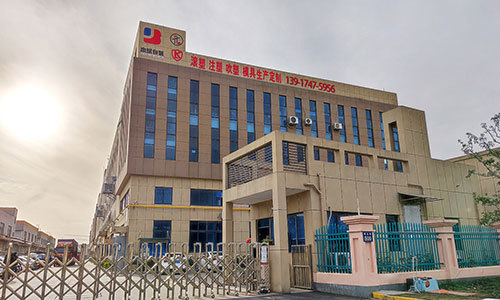
AboutShanghai armored shield plastic technology co., ltd, brand "armored shield", is a production-oriented enterprise focusing on the research and development, design, customization, production, sales and service of special safety protection boxes; "armored shield" aims to provide integrated packaging protection solutions for major instrument and equipment manufacturers, aerospace, fire protection, medical and other industries.
-
 Contact
Shanghai armored shield plastic technology co., ltd, brand "armored shield", is a production-oriented enterprise focusing on the research and development, design, customization, production, sales and service of special safety protection boxes; "armored shield" aims to provide integrated packaging protection solutions for major instrument and equipment manufacturers, aerospace, fire protection, medical and other industries.
- Description
- Case
- Industry
- size
-
- Commodity name: Custom-made drawbars for rotomolded containers
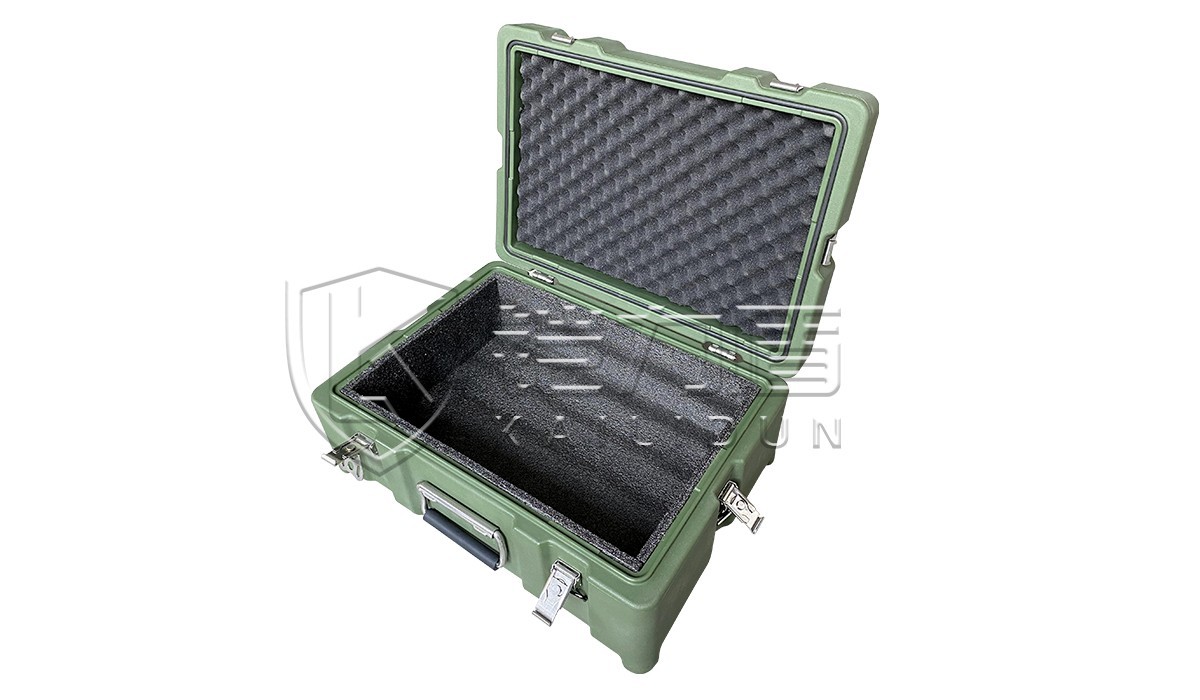
In today’s diverse logistics, transportation, and outdoor‑activity landscapes, rotomolded cases have become the preferred choice for numerous industries and individual users thanks to their rugged durability, water resistance, and dustproof qualities. To meet the varied demands of different applications, Kaili Dun has introduced a custom‑made handle‑bar service for its rotomolded cases, which not only enhances portability but also further elevates the user experience. As a leading manufacturer of rotomolded cases, Kaili Dun will provide an in‑depth overview of customized handle‑bar solutions, covering the rationale behind customization, key design considerations, material selection, and the step‑by‑step ordering process—aiming to help equipment and instrument manufacturers better understand and leverage this valuable service.
I. The Significance of Customizing Drawbars for Rotational Molding Containers
Rotational-molded enclosures, as the name suggests, are formed using a rotational molding process, which gives them features such as monolithic construction, seamless joints, and excellent impact resistance. However, standard‑size rotational‑molded enclosures often fail to meet the diverse, customized needs of all users, particularly in terms of dimensions, colors, and functional configurations.
Therefore, customizing the pull‑handles for rotomolded cases is of paramount importance. Not only can it tailor the case’s dimensions and shape to meet users’ specific needs, but it also allows for the integration of user‑friendly features—such as adjustable height and non‑slip grips—thereby enhancing both convenience and comfort. Moreover, customized solutions can address the specialized requirements of particular industries; for instance, in sectors like defense and healthcare, there are stringent standards governing a case’s protective performance and internal configuration.

II. Design Considerations
The custom design of drawbars for rotomolded enclosures involves multiple aspects, primarily including the following points:
1. Size and Shape: Based on users’ specific needs, we customize cases in various sizes and shapes to accommodate different types of items. For example, long-distance travelers may prefer large-capacity, rectangular cases for conveniently carrying clothing and everyday essentials, while photographers may require more compact, multi-compartment cases to protect their valuable equipment.
2. Pull-rod system: The material of the pull rod, its length‑adjustment range, and its load‑bearing capacity are all factors that must be considered. High‑quality aluminum alloy or carbon fiber is not only lightweight but also highly strong, capable of supporting substantial weight; the length‑adjustment feature allows users of different heights to find the most comfortable setting; and the load‑bearing capacity should be determined based on the intended use case of the case, ensuring safety and stability.
3. Detail Handling: Details such as the handle’s material and shape, the wheels’ wear resistance and quietness, and the lock’s security all directly impact the user experience. For example, handles wrapped in soft materials can reduce discomfort during prolonged gripping, while silent‑moving wheels ensure smooth operation on various surfaces, minimizing noise disturbance.
III. Material Selection
The material selection for the drawbars of rotomolded cases is equally critical. The case body itself is typically made from polyethylene (PE) and other polymer materials, which offer excellent corrosion resistance, aging resistance, and toughness, ensuring structural integrity even in harsh environments. For the drawbars and associated components, aluminum alloys and stainless steel are widely favored due to their lightweight, high strength, and corrosion‑resistant properties. Moreover, as environmental awareness grows, an increasing number of manufacturers, such as Kaili Dun, are exploring the use of recyclable materials—like recycled plastics—to reduce the environmental footprint of their products.

IV. Customization Process
The custom manufacturing process for Kaili Shield rotomolded box bodies with pull handles generally consists of the following steps:
1. Requirements Communication: The user conducts a detailed requirements discussion with the Kaili Shield manufacturer, covering aspects such as enclosure dimensions, color, and functional specifications.
2. Design Verification: Kaili Shield’s manufacturer provides a preliminary design proposal based on the customer’s requirements, including 3D models or hand-drawn sketches. Once the customer approves, the project proceeds to the production preparation stage.
3. Quality Inspection: Conduct rigorous quality inspections on finished products to ensure that all performance parameters meet the design specifications.
4. Packaging and Shipping: The enclosure is protected from damage during transit through professional packaging, and shipment is arranged in accordance with the customer’s requirements.
In short, Kaili Dun’s custom‑made pull‑handle roll‑molded cases offer users exceptional flexibility and convenience, meeting a wide range of needs—from everyday travel to professional applications. With meticulous design and premium material selection, these customized roll‑molded cases are not only aesthetically pleasing and durable but also help boost productivity and enhance quality of life.
Key words:
rotomolding airdrop box | safety protection box | server rack box | Aviation aluminum box | cold chain incubator | fire cart
Previous:
The next one:
Online consultation
If you are interested in our products, please leave your email and get the product quotation for free, thank you!

A production-oriented enterprise focusing on the research and development, design, customization, production, sales and service of special safety protection boxes; "armored shield" aims to provide integrated packaging protection solutions for major instrument and equipment manufacturers, aerospace, fire protection, medical and other industries.


Contact Us
Service Hotline: 139-1747-5956
Service Hotline:137-6128-2604
E-mail:sales@kldcases.com
Company address: 703A, Building A8, Kangqiao Business Oasis, caohejing, Pudong New Area, Shanghai
Factory address: 500 Yedao Road, Xitangqiao Town, Haiyan County, Jiaxing City, Zhejiang Province

Sweep and add WeChat
Learn more about products
Links: