
-
 Products
Shanghai armored shield plastic technology co., ltd, brand "armored shield", is a production-oriented enterprise focusing on the research and development, design, customization, production, sales and service of special safety protection boxes; "armored shield" aims to provide integrated packaging protection solutions for major instrument and equipment manufacturers, aerospace, fire protection, medical and other industries.
-
 Case
CaseShanghai armored shield plastic technology co., ltd, brand "armored shield", is a production-oriented enterprise focusing on the research and development, design, customization, production, sales and service of special safety protection boxes; "armored shield" aims to provide integrated packaging protection solutions for major instrument and equipment manufacturers, aerospace, fire protection, medical and other industries.
-
 Customized
Shanghai armored shield plastic technology co., ltd, brand "armored shield", is a production-oriented enterprise focusing on the research and development, design, customization, production, sales and service of special safety protection boxes; "armored shield" aims to provide integrated packaging protection solutions for major instrument and equipment manufacturers, aerospace, fire protection, medical and other industries.
-
 Technical Q & A
Shanghai armored shield plastic technology co., ltd, brand "armored shield", is a production-oriented enterprise focusing on the research and development, design, customization, production, sales and service of special safety protection boxes; "armored shield" aims to provide integrated packaging protection solutions for major instrument and equipment manufacturers, aerospace, fire protection, medical and other industries.
-
 About
AboutShanghai armored shield plastic technology co., ltd, brand "armored shield", is a production-oriented enterprise focusing on the research and development, design, customization, production, sales and service of special safety protection boxes; "armored shield" aims to provide integrated packaging protection solutions for major instrument and equipment manufacturers, aerospace, fire protection, medical and other industries.
-
 Contact
Shanghai armored shield plastic technology co., ltd, brand "armored shield", is a production-oriented enterprise focusing on the research and development, design, customization, production, sales and service of special safety protection boxes; "armored shield" aims to provide integrated packaging protection solutions for major instrument and equipment manufacturers, aerospace, fire protection, medical and other industries.
What fire safety equipment should you keep at home? Kaili Dun says these details deserve attention!
Households should be equipped with fire safety devices, with the core focus on… Initial fire suppression, fire escape, and fire hazard early warning For the three core needs, simply choose solutions that align with your apartment size, household size, and specific living scenarios—such as the kitchen, bedroom, or high-rise setting. There’s no need to overcomplicate things; the key is usability and regular maintenance. Below is a prioritized checklist of essentials, along with optional recommendations, plus tips for proper use and placement:

🔥 Essential core model (a must-have for every household, offering the best value and covering basic safety needs)
1. Fire Alert: Standalone Smoke Detector
① Function: In the early stages of a fire, smoke appears before flames, triggering a high-decibel alarm immediately and providing ample time for evacuation—especially during deep sleep at night.
② Optional Features: Choose Photoelectric type + battery life ≥ 5 years (Lithium batteries eliminate the need for frequent replacement), with self‑diagnostic and low‑battery warning functions; an additional option is available for the kitchen. Smoke and Temperature Combined Alarm (Avoid false alarms caused by cooking fumes.)
③ Arrangement: Install one unit in the living room, one in the bedroom, and one in the hallway, each positioned no more than 30 cm from the ceiling and away from kitchen fumes and bathroom humidity.
2. Initial Fire Extinguishing: Portable Dry Powder Fire Extinguisher (Household Model)
① Function: It’s the most versatile household tool for extinguishing open flames on kitchen frying pans, small electrical fires, and fires involving furniture and fabrics.
② Optional Features: Choose MFZ/ABC1 or ABC2 type (1–2 kg, lightweight and easy to handle—can be carried by seniors and children), the ABC‑type extinguisher is effective against solid, liquid, and electrical fires, covering 99% of household fire scenarios. Refuse carbon dioxide fire extinguishers (For home use, it can easily cause frostbite and is not suitable for low‑heat cooking in a deep fryer.)
③ Arrangement: Near the kitchen doorway and in a prominent spot in the living room, keep it within 1.5 meters of the floor, in a dry, well-ventilated area, and do not store it inside cabinets (you won’t be able to find it in case of a fire).
3. Fire Escape: Fire Blanket
① Function: It effectively tackles kitchen grease‑pan fires—the most common household fire—and can also wrap around the body to protect against direct flame burns, aiding in escape. With no extinguishing residue, it’s better suited for kitchens than a fire extinguisher.
② Optional Features: Choose 1 m × 1 m or 1.2 m × 1.2 m (Single-person / Double-person use), made of fiberglass, with a hanging storage case (for quick and easy access).
③ Placement: In a prominent spot next to the kitchen stove. (Within easy reach), keep it away from sources of ignition, but not too far.
4. Escape Protection: Smoke Mask (Fire-Resistant Filtering Self-Rescuer)
① Function: In fires, 80% of fatalities are caused by smoke inhalation or asphyxiation rather than burns. Smoke masks can filter toxic fumes and carbon monoxide, providing 10 to 30 minutes of breathable air, making them especially suitable for residents of high-rise buildings.
② Optional Features: Choose Type TZL30 (Protection duration: 30 minutes, sufficient for high-rise evacuation), with anti-counterfeiting markings; inspect the mask for a tight seal and ensure the filter canister is intact; allocate according to the number of residents, at least… 1 per person , Please provide a compatible version separately for seniors and children.
③ Arrangement: Store in a sealed container near the bedroom nightstand and by the entryway shoe cabinet, away from direct sunlight.

🛡️ Optional scene‑specific configurations (customized based on your living situation to enhance security)
1. Mandatory installation for high-rise residents (for floors ≥ 6, addressing the issues of “difficult evacuation” and “rapid smoke spread”).
① High-rise escape descent device: Choose Load capacity ≥ 150 kg, compatible with various floor heights. A model equipped with a fall‑prevention lock, to be installed on balconies or windows (with brackets pre‑fixed to avoid last‑minute installation during a fire); suitable for high‑rise buildings without fire‑safe corridors.
② Emergency escape rope: When used with a descent device, select a wear‑resistant nylon rope with a diameter of at least 14 mm, equipped with a safety hook, and secure it to a load‑bearing wall or balcony railing (not a hollow wall).
③ Window fire escape hammer: Choose Multi-functional model (Tap the glass + cut the seatbelt), magnetic attachment to be placed by the window; one unit for each of the high‑rise bedroom and living room windows (Note: For tempered glass, tap…). Four corners Only then will it be fragile).
2. Specialized kitchen equipment (the area where household fires occur most frequently)
① Gas leak detector: When equipped with an optional solenoid valve, install it within 30 cm above the gas stove and within 1 meter of the gas pipeline to detect natural gas or liquefied petroleum gas leaks; if concentrations exceed the threshold, the system will automatically trigger an alarm, and the solenoid valve will automatically shut off the gas supply.
② Oil stain cleaner: Regularly clean the stovetop and range hood of grease buildup—grease is a major cause of kitchen fires—and this practice constitutes “hidden fire‑safety equipment.”
3. General emergency add-on kit (suitable for every household, enhancing escape‑route resilience)
① Fire emergency flashlight: Choose Charging version + with strobe light, cutter, and window-breaking hammer A multi‑functional model: in the event of a fire, it provides emergency lighting when power is cut, and its strobe function can alert rescuers. Don’t use an ordinary flashlight—its battery life is short and it lacks emergency features.
② Emergency Escape Directional Sticker: Affixed to hallways and stairwell landings, this glow-in-the-dark model illuminates the escape route after a power outage, making it ideal for homes with spacious floor plans and long corridors.
③ Small-capacity water-based fire extinguisher: It can replace some dry‑powder fire extinguishers, leaves no residue after use, and is suitable for living rooms and bedrooms—without contaminating furniture or appliances—though it comes at a slightly higher price.
📌 Key Usage and Maintenance Tips (More Important Than Just Having the Right Equipment—Many People Overlook This)
1. Equipment isn’t just for show—it must be something the whole family knows how to use. Dry powder fire extinguisher record Lift, pull, grasp, press In four steps, simply unfold the fire blanket and drape it over the flames (never use water on a grease fire!). Practice putting on the smoke mask 1–2 times—key is to firmly pinch the nose clip and tighten the head strap.
2. Perform regular inspections to prevent expiration and失效:
① Smoke detectors / Gas alarms: Press the self-test button monthly, and replace the battery promptly when it is low.
② Fire extinguishers / fire blankets: Check the pressure gauge (for dry‑powder extinguishers, the pointer should be in the green zone to indicate normal operation) and the expiration date (fire blankets typically last 5 years; fire extinguishers must be inspected annually after maintenance).
③ Smoke mask: The sealed bag is undamaged, and the filter canister is not damp.
3. Placement principles: conspicuous, easily accessible, and secure. Don’t hide any equipment in cabinets or drawers; keep it in… Easily accessible and unobstructed In such places, post clear signage so that both children and the elderly can easily find their way.
❌ Home Fire Safety Pitfalls (Don’t Buy These—They’re Useless and Just Take Up Space)
① Say no to “internet-famous mini fire extinguishers”: with a capacity of less than 0.5 kg, their firefighting effectiveness is negligible; they’re only suitable for small sparks and are less practical than fire blankets.
② Reject expired or unmarked equipment: Firefighting equipment must be carefully selected. It has 3C certification and a fire‑product identity information label. Yes, when shopping online, choose reputable channels.
③ Do not use a vehicle‑mounted fire extinguisher as a substitute for a household one: vehicle‑mounted extinguishers have limited capacity and poor compatibility, making them inferior to a 1‑kilogram dry‑powder household fire extinguisher.
📋 Minimalist Configuration Checklist (Recommended by Household Size / Apartment Type)
① Single / Couple (small apartment): Smoke detectors ×2 (living room + bedroom) + ABC1‑type fire extinguisher ×1 + fire blanket ×1 + smoke masks ×2 + emergency flashlight ×1;
② Three-person household (standard floor plan): Smoke detectors ×3 (living room + 2 bedrooms) + ABC2‑type fire extinguisher ×1 + fire blanket ×1 + smoke masks ×3 + gas detector (kitchen) + emergency flashlight ×1;
③ High-rise residential buildings (≥6 floors): In addition to the standard apartment layout, include one escape descent device/escape rope, two emergency hammers, and an extra one or two smoke‑proof masks.
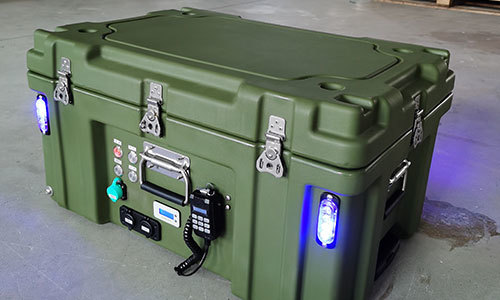
The Kaili Dun Home Fire Safety Kit is a compact, purpose-built mini‑fire station designed to fortify home safety with professional‑grade, robust quality. The cabinet is molded from high‑performance, modified PP engineering plastic, featuring a 5 mm thickened wall and an IP66 waterproof and dustproof rating. It withstands extreme temperatures, resists impact, and is flame‑retardant, ensuring reliable performance in any household environment and safeguarding your equipment over the long term. Inside, meticulously organized storage compartments house a complete set of emergency fire‑fighting gear—including a fire extinguisher, fire blanket, smoke mask, and emergency flashlight—covering all scenarios from fire suppression to smoke protection and escape. From tackling incipient fires to evacuating through heavy smoke, this one‑stop solution meets every household fire‑emergency need.
The Kaili Dun home fire safety kit features easy-to-use, intuitive equipment that even seniors and children can master quickly. Its compact, portable design makes it simple to access, allowing you to place it in convenient locations like the kitchen, entryway, or balcony—saving space while ensuring rapid response. Every detail is crafted with safety in mind, and each item undergoes rigorous testing. Kaili Dun brings professional-grade fire protection into your home, leveraging robust performance to safeguard your loved ones. An essential for home safety, it’s here to protect your family and keep every reunion intact.
Kaili Shield’s final reminder: In addition to having fire safety equipment on hand, households should also establish clear protocols. Emergency Evacuation Plan (For example, designate an emergency assembly point and familiarize yourself with escape routes.) Conduct a household fire drill once a year—especially in homes with elderly residents or young children—as this approach is far more effective than simply having the necessary equipment on hand when unexpected emergencies arise.
Key words:
rotomolding airdrop box | safety protection box | server rack box | aviation aluminum box | cold chain insulation box | fire cart
RELATED INFORMATION



A production-oriented enterprise focusing on the research and development, design, customization, production, sales and service of special safety protection boxes; "armored shield" aims to provide integrated packaging protection solutions for major instrument and equipment manufacturers, aerospace, fire protection, medical and other industries.


Contact Us
Service Hotline: 139-1747-5956
Service Hotline:137-6128-2604
E-mail:sales@kldcases.com
Company address: 703A, Building A8, Kangqiao Business Oasis, caohejing, Pudong New Area, Shanghai
Factory address: 500 Yedao Road, Xitangqiao Town, Haiyan County, Jiaxing City, Zhejiang Province

Sweep and add WeChat
Learn more about products
Links: