
-
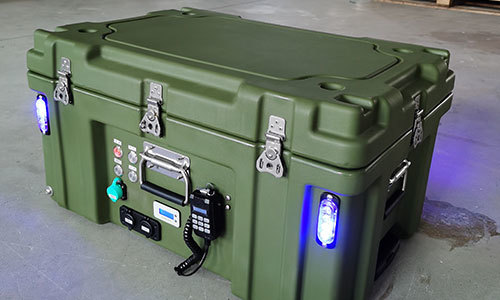 Products
Shanghai armored shield plastic technology co., ltd, brand "armored shield", is a production-oriented enterprise focusing on the research and development, design, customization, production, sales and service of special safety protection boxes; "armored shield" aims to provide integrated packaging protection solutions for major instrument and equipment manufacturers, aerospace, fire protection, medical and other industries.
-
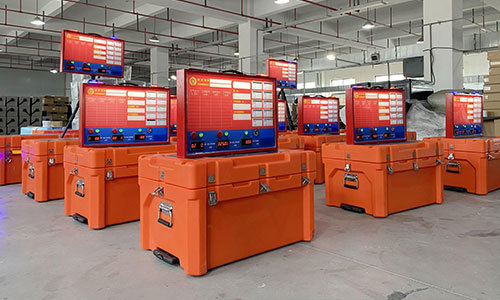 Case
CaseShanghai armored shield plastic technology co., ltd, brand "armored shield", is a production-oriented enterprise focusing on the research and development, design, customization, production, sales and service of special safety protection boxes; "armored shield" aims to provide integrated packaging protection solutions for major instrument and equipment manufacturers, aerospace, fire protection, medical and other industries.
-
 Customized
Shanghai armored shield plastic technology co., ltd, brand "armored shield", is a production-oriented enterprise focusing on the research and development, design, customization, production, sales and service of special safety protection boxes; "armored shield" aims to provide integrated packaging protection solutions for major instrument and equipment manufacturers, aerospace, fire protection, medical and other industries.
-
 Technical Q & A
Shanghai armored shield plastic technology co., ltd, brand "armored shield", is a production-oriented enterprise focusing on the research and development, design, customization, production, sales and service of special safety protection boxes; "armored shield" aims to provide integrated packaging protection solutions for major instrument and equipment manufacturers, aerospace, fire protection, medical and other industries.
-
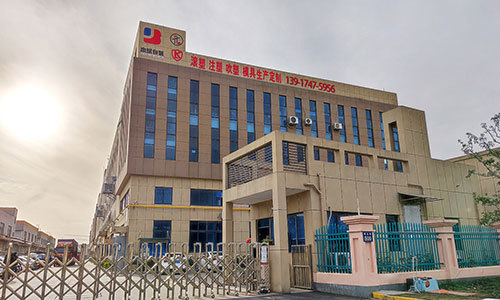 About
AboutShanghai armored shield plastic technology co., ltd, brand "armored shield", is a production-oriented enterprise focusing on the research and development, design, customization, production, sales and service of special safety protection boxes; "armored shield" aims to provide integrated packaging protection solutions for major instrument and equipment manufacturers, aerospace, fire protection, medical and other industries.
-
 Contact
Shanghai armored shield plastic technology co., ltd, brand "armored shield", is a production-oriented enterprise focusing on the research and development, design, customization, production, sales and service of special safety protection boxes; "armored shield" aims to provide integrated packaging protection solutions for major instrument and equipment manufacturers, aerospace, fire protection, medical and other industries.
How long do rotomolded containers typically last?
Rotational-molded containers, widely used in logistics, warehousing, transportation, and outdoor storage, are prized for their durability and long service life—key considerations for users. Understanding the typical lifespan of these containers not only helps buyers make informed purchasing decisions but also enables them to implement appropriate maintenance practices, thereby extending the containers’ useful life. Kaili Dun, a leading manufacturer, will explore the general lifespan of rotational-molded containers from multiple perspectives, including material composition, manufacturing processes, operating environments, and maintenance strategies.
I. Materials and Manufacturing Processes of Rotational Molding Containers
Rotational molding containers are typically made from polyethylene (PE) and other polymer materials. Polyethylene boasts excellent corrosion resistance, impact resistance, and low-temperature performance, making it an ideal material for manufacturing rotational molding containers. Rotational molding is a thermoplastic forming process in which a mold is rotated and heated, causing the plastic powder to melt uniformly and adhere to the inner surface of the mold; after cooling, the part is demolded. This process imparts the following characteristics to rotational molding containers:
① Uniform wall thickness: It enhances the overall structural strength and impact resistance of the enclosure.
② Seamless: It avoids leakage or cracking caused by seams.
③ Flexible design: We can manufacture boxes of complex shapes and sizes to meet a variety of needs. Kaili Dun rotomolded containers are crafted from premium materials—imported raw materials from Thailand—and cutting-edge manufacturing processes, ensuring a long service life. Under proper material selection and production conditions, these rotomolded containers can typically last for several years.
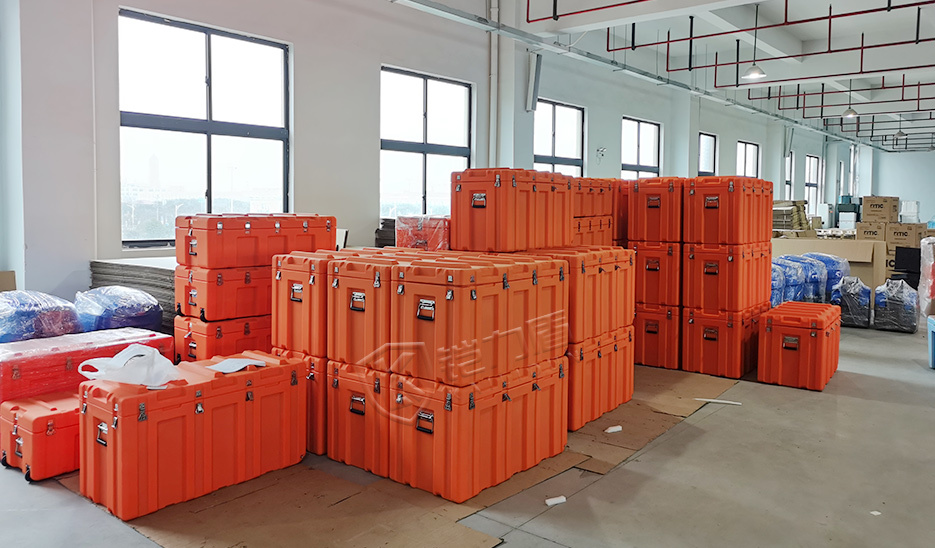
II. The Influence of the Operating Environment on the Service Life of Rotational Molding Containers
The service life of rotomolded containers is largely influenced by their operating environment. The following are some of the key environmental factors:
① Climatic conditions: Extreme temperatures, humidity, and ultraviolet radiation can all accelerate plastic aging, thereby shortening its service life. For example, prolonged exposure to intense sunlight can cause the surface of the enclosure to fade and harden, which in turn compromises its toughness.
② Chemical substances: Contact with corrosive chemicals can cause corrosion of the container material and accelerate aging. Therefore, when storing or transporting chemicals, special care should be taken to select an appropriate rotomolded‑box material.
③ Physical impact: Frequent drops, impacts, and other physical damage can directly compromise the structural integrity of rotomolded containers, thereby reducing their service life.
④ Load conditions: Overloading beyond the design capacity may cause the enclosure to deform or even rupture.
Therefore, when selecting a rotomolded container, you should consider its intended operating environment and choose a product with appropriate protective performance.
III. The Impact of Maintenance Practices on the Service Life of Rotational Molding Containers
Proper maintenance and care can significantly extend the service life of rotomolded containers. Here are some practical maintenance tips:
① Regular cleaning: Regularly clean the cabinet surface with plain water or a mild detergent to remove dirt and residues, preventing long-term buildup that could lead to corrosion or aging of the cabinet.
② Avoid direct sunlight: Minimize prolonged direct exposure to intense sunlight; reduce UV radiation by using shade nets or storing items in warehouses, among other methods.
③ Proper storage: Avoid placing heavy objects directly on the box, especially at the edges or corners, to minimize deformation caused by localized pressure.
④ Regular inspections: Regularly inspect the enclosure for cracks, damage, or deformation, and promptly identify and address any issues by repairing or replacing affected components.
⑤ Proper use: Operate in accordance with the manufacturer’s recommended usage guidelines and load limits to prevent overloading or improper use.
By implementing the aforementioned maintenance measures, the service life of rotomolded containers can be effectively extended; in some cases, with meticulous care, their operational lifespan may even exceed expectations.
IV. Summary
According to Kaili Dun manufacturers, the typical service life of rotomolded containers is influenced by a variety of factors, including material and manufacturing processes, operating environment, and maintenance practices. High-quality materials and advanced manufacturing techniques lay the foundation for a long service life, while selecting an appropriate operating environment and implementing sound maintenance procedures are key to further extending that lifespan. Users can choose the right model of rotomolded container based on their specific needs and operating conditions, and follow proper usage and maintenance guidelines to ensure the container delivers reliable, long-term performance across a wide range of applications.
In summary, although it is not possible to specify an absolute “typical service life” for rotomolded containers, by comprehensively considering the aforementioned factors and implementing appropriate measures, their service life can be maximized, thereby maximizing economic benefits.
Key words:
rotomolding airdrop box | safety protection box | server rack box | aviation aluminum box | cold chain insulation box | fire cart
RELATED INFORMATION



A production-oriented enterprise focusing on the research and development, design, customization, production, sales and service of special safety protection boxes; "armored shield" aims to provide integrated packaging protection solutions for major instrument and equipment manufacturers, aerospace, fire protection, medical and other industries.


Contact Us
Service Hotline: 139-1747-5956
Service Hotline:137-6128-2604
E-mail:sales@kldcases.com
Company address: 703A, Building A8, Kangqiao Business Oasis, caohejing, Pudong New Area, Shanghai
Factory address: 500 Yedao Road, Xitangqiao Town, Haiyan County, Jiaxing City, Zhejiang Province

Sweep and add WeChat
Learn more about products
Links: