
-
 Products
Shanghai armored shield plastic technology co., ltd, brand "armored shield", is a production-oriented enterprise focusing on the research and development, design, customization, production, sales and service of special safety protection boxes; "armored shield" aims to provide integrated packaging protection solutions for major instrument and equipment manufacturers, aerospace, fire protection, medical and other industries.
-
 Case
CaseShanghai armored shield plastic technology co., ltd, brand "armored shield", is a production-oriented enterprise focusing on the research and development, design, customization, production, sales and service of special safety protection boxes; "armored shield" aims to provide integrated packaging protection solutions for major instrument and equipment manufacturers, aerospace, fire protection, medical and other industries.
-
 Customized
Shanghai armored shield plastic technology co., ltd, brand "armored shield", is a production-oriented enterprise focusing on the research and development, design, customization, production, sales and service of special safety protection boxes; "armored shield" aims to provide integrated packaging protection solutions for major instrument and equipment manufacturers, aerospace, fire protection, medical and other industries.
-
 Technical Q & A
Shanghai armored shield plastic technology co., ltd, brand "armored shield", is a production-oriented enterprise focusing on the research and development, design, customization, production, sales and service of special safety protection boxes; "armored shield" aims to provide integrated packaging protection solutions for major instrument and equipment manufacturers, aerospace, fire protection, medical and other industries.
-
 About
AboutShanghai armored shield plastic technology co., ltd, brand "armored shield", is a production-oriented enterprise focusing on the research and development, design, customization, production, sales and service of special safety protection boxes; "armored shield" aims to provide integrated packaging protection solutions for major instrument and equipment manufacturers, aerospace, fire protection, medical and other industries.
-
 Contact
Shanghai armored shield plastic technology co., ltd, brand "armored shield", is a production-oriented enterprise focusing on the research and development, design, customization, production, sales and service of special safety protection boxes; "armored shield" aims to provide integrated packaging protection solutions for major instrument and equipment manufacturers, aerospace, fire protection, medical and other industries.
What are the functions of a fire safety acceptance box?
As urbanization accelerates, fire safety has become an indispensable and critical component of urban management. To effectively prevent and respond to fire incidents, a variety of firefighting facilities have been developed; among them, the fire‑inspection cabinet, as an essential part of the fire‑protection system, plays a pivotal role. This article will examine in detail the functions of the fire‑inspection cabinet, aiming to enhance understanding and facilitate its proper application.
Kaili Shield is a professional manufacturer specializing in custom-designed functional enclosures, with extensive and unique expertise in producing protective boxes. Recently, Kaili Shield crafted a batch of fire‑inspection compliance boxes for a local fire department client. Accordingly, this article will explain the key functions and purposes of such fire‑inspection compliance boxes.
I. Basic Concepts of the Fire Safety Acceptance Box
As its name suggests, a fire‑inspection box is a specialized container used to store documentation and tools related to fire‑safety acceptance inspections after the installation of fire‑protection systems. It serves not only as a simple storage unit but also as a vital link connecting the installation, inspection, and ongoing maintenance of fire‑protection equipment. Fire‑inspection boxes are typically placed in key areas of a building—such as the fire pump room, the fire control room, and the fire‑elevator machine room—to enable swift inspections and emergency response by fire authorities and qualified personnel when needed.
II. Recording and Archiving Functions
The primary function of a fire‑inspection acceptance box is to record and archive information related to the installation and acceptance of fire‑protection systems. This information includes, but is not limited to, the models and specifications of fire‑fighting equipment, the manufacturers, installation dates, certificates of acceptance, and maintenance records. The complete preservation of these documents is essential for the ongoing management and upkeep of fire‑protection systems. In the event of a fire, the records stored in the acceptance box serve as critical evidence for assigning responsibility and investigating the root causes of the incident.
III. Facilitates Routine Inspection and Maintenance
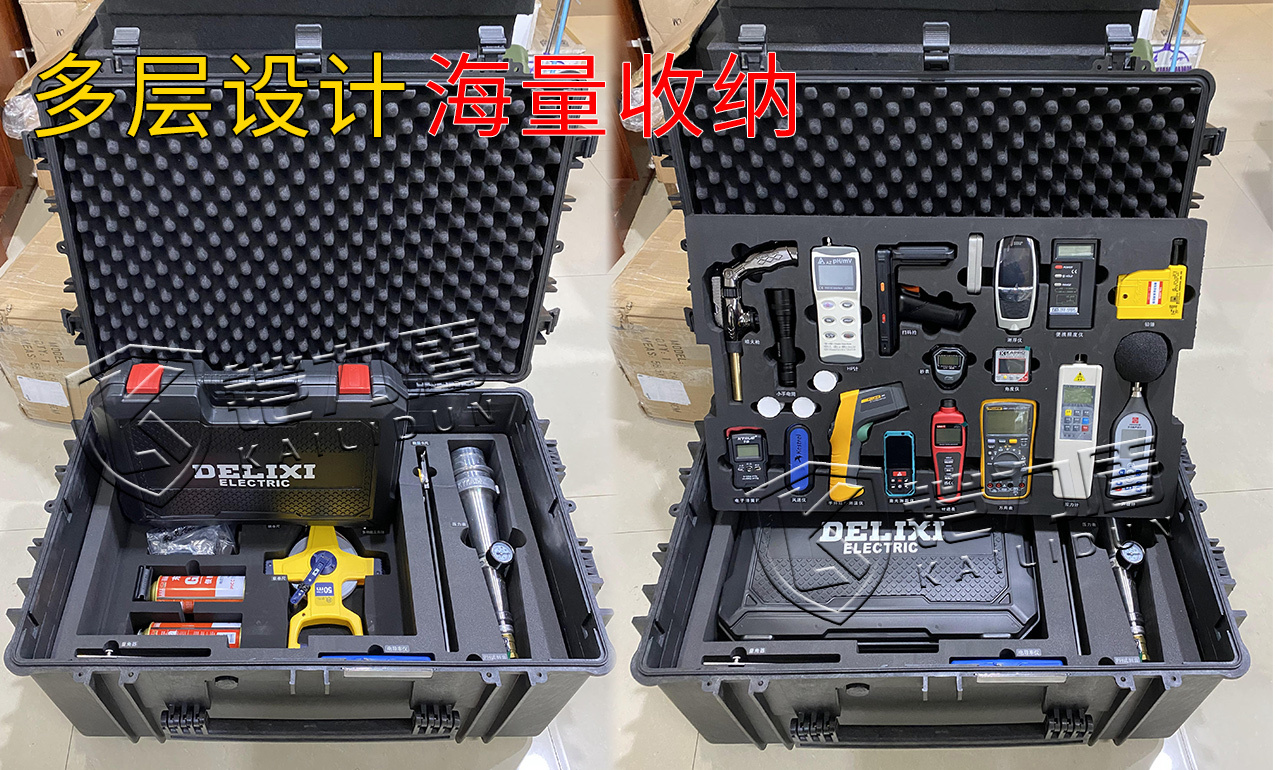
Another important function of the fire‑inspection cabinet is to facilitate routine inspections and maintenance. Regular checks of fire‑protection systems are essential to ensure their proper operation. With the fire‑inspection cabinet, inspectors can quickly access the necessary documentation, gaining a clear understanding of the systems’ basic configuration and historical maintenance records, thereby enabling targeted inspection activities. In addition, the cabinet serves as a storage space for commonly used tools and spare parts—such as fire‑fighting wrenches, screwdrivers, and testing instruments—providing convenience for on‑site maintenance and troubleshooting.
IV. Emergency Response and Rapid Handling
In emergency situations such as fires, fire‑inspection boxes play an indispensable role. They are typically equipped with concise emergency‑procedure flowcharts and essential communication devices—such as walkie‑talkies and mobile phones—enabling firefighters to quickly assess the operational status of fire‑protection systems and implement appropriate response measures. In addition, these boxes may contain initial‑fire‑fighting equipment, including fire extinguishers and fire hoses, providing critical support for tackling fires in their early stages.
V. Training and Public Awareness Functions
In addition to the functions mentioned above, fire‑safety inspection boxes can also serve as platforms for fire‑safety training and public awareness campaigns. By placing fire‑safety manuals, promotional posters, and other materials inside these boxes, they help remind and educate employees and residents about fire safety, thereby enhancing their overall fire‑safety awareness. At the same time, these boxes can be integrated into new‑employee orientation programs, enabling them to quickly familiarize themselves with the proper use of fire‑fighting equipment and key safety precautions.
VI. Compliance with and Oversight of Laws and Regulations
The installation and use of fire‑inspection boxes are also specific requirements under laws and regulations for fire safety management. According to the Fire Protection Law of the People’s Republic of China and related provisions, a building’s fire‑protection facilities may be put into service only after passing inspection by a qualified professional agency, and they must undergo regular maintenance, upkeep, and inspections. As witnesses and recorders of this process, fire‑inspection boxes themselves serve as a form of oversight and assurance that legal and regulatory requirements are being met.
In summary, fire‑inspection boxes play a pivotal role in the field of fire safety. They not only document the installation and acceptance of fire‑protection systems but also provide robust support for routine inspections and maintenance, as well as for emergency response and rapid incident management. Moreover, these boxes serve multiple functions, including training and public awareness, and ensuring compliance with and oversight of relevant laws and regulations. Therefore, we should place great emphasis on the proper installation and use of fire‑inspection boxes to ensure they deliver their intended effectiveness and safeguard urban fire safety.
Key words:
rotomolding airdrop box | safety protection box | server rack box | aviation aluminum box | cold chain insulation box | fire cart
RELATED INFORMATION



A production-oriented enterprise focusing on the research and development, design, customization, production, sales and service of special safety protection boxes; "armored shield" aims to provide integrated packaging protection solutions for major instrument and equipment manufacturers, aerospace, fire protection, medical and other industries.


Contact Us
Service Hotline: 139-1747-5956
Service Hotline:137-6128-2604
E-mail:sales@kldcases.com
Company address: 703A, Building A8, Kangqiao Business Oasis, caohejing, Pudong New Area, Shanghai
Factory address: 500 Yedao Road, Xitangqiao Town, Haiyan County, Jiaxing City, Zhejiang Province

Sweep and add WeChat
Learn more about products
Links: