
-
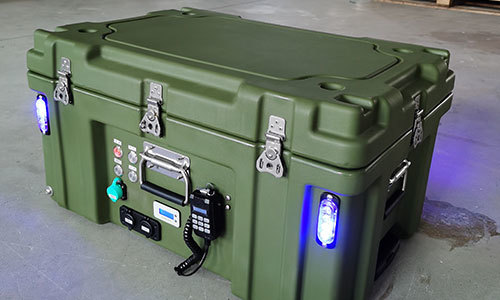 Products
Shanghai armored shield plastic technology co., ltd, brand "armored shield", is a production-oriented enterprise focusing on the research and development, design, customization, production, sales and service of special safety protection boxes; "armored shield" aims to provide integrated packaging protection solutions for major instrument and equipment manufacturers, aerospace, fire protection, medical and other industries.
-
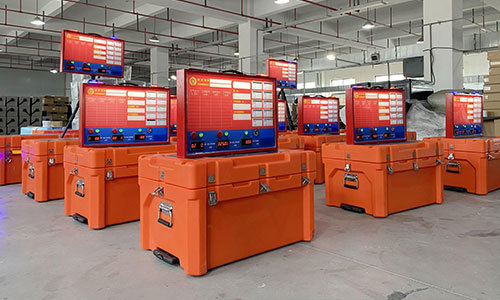 Case
CaseShanghai armored shield plastic technology co., ltd, brand "armored shield", is a production-oriented enterprise focusing on the research and development, design, customization, production, sales and service of special safety protection boxes; "armored shield" aims to provide integrated packaging protection solutions for major instrument and equipment manufacturers, aerospace, fire protection, medical and other industries.
-
 Customized
Shanghai armored shield plastic technology co., ltd, brand "armored shield", is a production-oriented enterprise focusing on the research and development, design, customization, production, sales and service of special safety protection boxes; "armored shield" aims to provide integrated packaging protection solutions for major instrument and equipment manufacturers, aerospace, fire protection, medical and other industries.
-
 Technical Q & A
Shanghai armored shield plastic technology co., ltd, brand "armored shield", is a production-oriented enterprise focusing on the research and development, design, customization, production, sales and service of special safety protection boxes; "armored shield" aims to provide integrated packaging protection solutions for major instrument and equipment manufacturers, aerospace, fire protection, medical and other industries.
-
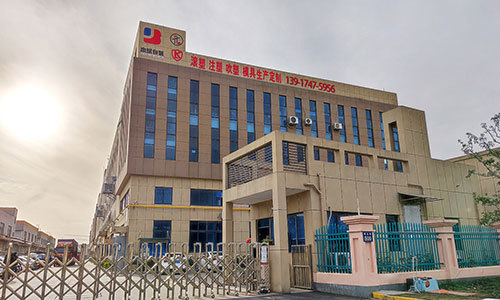 About
AboutShanghai armored shield plastic technology co., ltd, brand "armored shield", is a production-oriented enterprise focusing on the research and development, design, customization, production, sales and service of special safety protection boxes; "armored shield" aims to provide integrated packaging protection solutions for major instrument and equipment manufacturers, aerospace, fire protection, medical and other industries.
-
 Contact
Shanghai armored shield plastic technology co., ltd, brand "armored shield", is a production-oriented enterprise focusing on the research and development, design, customization, production, sales and service of special safety protection boxes; "armored shield" aims to provide integrated packaging protection solutions for major instrument and equipment manufacturers, aerospace, fire protection, medical and other industries.
[Image] Precautions for Using Rotational Molding Containers
Rotational-molded containers, widely used in logistics, warehousing, transportation, and outdoor activities, are favored by users for their durability, water- and moisture‑resistance, and lightweight portability. However, to fully leverage the advantages of these containers and ensure their long-term, reliable performance, users must observe a number of key details and adhere to established guidelines during operation.
As a professional manufacturer of rotomolded containers, Kailidun provides the following detailed guidelines on precautions for using rotomolded containers:
I. Understanding the Basic Characteristics of Rotational Molding Containers Rotational molding containers are manufactured using a rotational molding process, which ensures uniform wall thickness and eliminates weld seams, thereby enhancing the container’s overall structural strength and impact resistance. Moreover, the materials used in rotational molding—typically polyethylene (PE) and other high‑molecular polymers—exhibit excellent corrosion resistance, weatherability, and low‑temperature performance. Familiarity with these fundamental properties enables users to select the appropriate rotational molding container based on their specific needs and to properly manage its operating environment, avoiding exposure to extreme temperatures or highly corrosive substances that could compromise the container’s integrity.
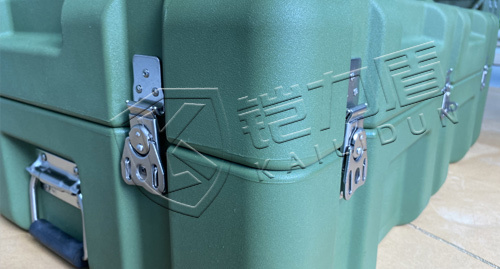
II. Proper Handling and Stacking
1. When handling, grasp both sides or the bottom of the container firmly with both hands; avoid lifting by a single corner to prevent deformation or damage. For large or heavy rotomolded containers, it is recommended to use mechanical aids such as forklifts or cranes to ensure safe operation.
2. When stacking, adhere to the principle of “light on top, heavy below” to prevent heavier items from pressing down on lighter ones and causing deformation of the containers. At the same time, ensure that the stack is neatly arranged to avoid containers slipping and injuring personnel. The maximum stacking height should be determined based on the rotomolded container’s load‑bearing capacity and stacking stability, generally not exceeding four layers.
III. Pay Attention to the Operating Environment
1. Temperature: Although rotomolded containers can withstand temperature fluctuations within a certain range, prolonged exposure to extreme high or low temperatures can degrade their physical properties and shorten their service life. Therefore, they should be kept away from heat sources and direct sunlight, and protected from extended exposure to cold environments.
2. Humidity: Rotational-molded containers offer excellent water resistance; however, prolonged immersion in water or exposure to high-humidity conditions may promote mold growth inside the container, compromising the quality of its contents. Therefore, when used in humid environments, the lid should be opened periodically to allow ventilation and keep the interior dry.
3. Chemical substances: Although rotomolded containers are corrosion-resistant, they may still undergo chemical reactions with certain strong acids, strong bases, and other chemicals, leading to deformation or damage to the container. Therefore, before use, it is essential to verify whether the contents contain any substances that could harm the container and to implement appropriate protective measures.
IV. Maintenance and Upkeep
1. Cleaning: Regularly wipe the cabinet surface with a soft cloth to remove dust and stains. For stubborn grime, dilute a neutral cleaner and gently wipe the area, then rinse thoroughly with clean water and allow it to air dry. Avoid using hard brushes or abrasive cleaners to prevent scratching the surface.
2. Inspection: Regularly inspect the integrity of the enclosure, checking that components such as latches, hinges, and handles are neither loose nor damaged, and repair or replace them as needed. At the same time, examine the enclosure for cracks, deformation, or other abnormalities; if any are detected, discontinue use immediately.
3. Storage: When not in use for an extended period, store the rotomolded container in a dry, well-ventilated area, away from direct sunlight and humid conditions. For items prone to moisture, place desiccants inside the container to maintain a dry internal environment.
V. Safe Use
1. Locking: During transportation or storage, ensure that the rotomolded container’s latches are fully secured to prevent items inside from slipping out or being stolen.
2. Overweight: Strictly adhere to the load‑capacity limits of rotomolded containers and avoid overloading to prevent damage to the container.
Key words:
rotomolding airdrop box | safety protection box | server rack box | aviation aluminum box | cold chain insulation box | fire cart
RELATED INFORMATION



A production-oriented enterprise focusing on the research and development, design, customization, production, sales and service of special safety protection boxes; "armored shield" aims to provide integrated packaging protection solutions for major instrument and equipment manufacturers, aerospace, fire protection, medical and other industries.


Contact Us
Service Hotline: 139-1747-5956
Service Hotline:137-6128-2604
E-mail:sales@kldcases.com
Company address: 703A, Building A8, Kangqiao Business Oasis, caohejing, Pudong New Area, Shanghai
Factory address: 500 Yedao Road, Xitangqiao Town, Haiyan County, Jiaxing City, Zhejiang Province

Sweep and add WeChat
Learn more about products
Links: