
-
 Products
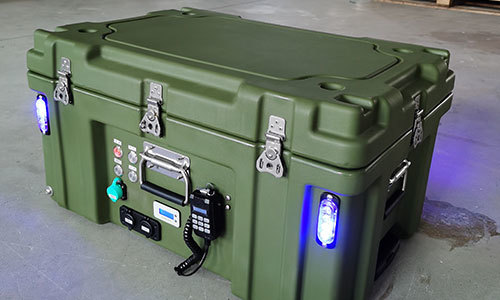
Shanghai armored shield plastic technology co., ltd, brand "armored shield", is a production-oriented enterprise focusing on the research and development, design, customization, production, sales and service of special safety protection boxes; "armored shield" aims to provide integrated packaging protection solutions for major instrument and equipment manufacturers, aerospace, fire protection, medical and other industries.
-
 Case
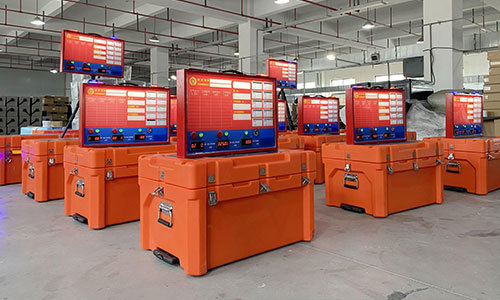
CaseShanghai armored shield plastic technology co., ltd, brand "armored shield", is a production-oriented enterprise focusing on the research and development, design, customization, production, sales and service of special safety protection boxes; "armored shield" aims to provide integrated packaging protection solutions for major instrument and equipment manufacturers, aerospace, fire protection, medical and other industries.
-
 Customized
Shanghai armored shield plastic technology co., ltd, brand "armored shield", is a production-oriented enterprise focusing on the research and development, design, customization, production, sales and service of special safety protection boxes; "armored shield" aims to provide integrated packaging protection solutions for major instrument and equipment manufacturers, aerospace, fire protection, medical and other industries.
-
 Technical Q & A
Shanghai armored shield plastic technology co., ltd, brand "armored shield", is a production-oriented enterprise focusing on the research and development, design, customization, production, sales and service of special safety protection boxes; "armored shield" aims to provide integrated packaging protection solutions for major instrument and equipment manufacturers, aerospace, fire protection, medical and other industries.
-
 About
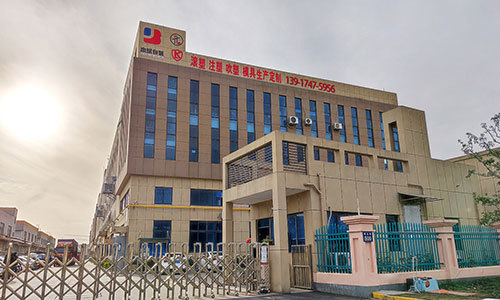
AboutShanghai armored shield plastic technology co., ltd, brand "armored shield", is a production-oriented enterprise focusing on the research and development, design, customization, production, sales and service of special safety protection boxes; "armored shield" aims to provide integrated packaging protection solutions for major instrument and equipment manufacturers, aerospace, fire protection, medical and other industries.
-
 Contact
Shanghai armored shield plastic technology co., ltd, brand "armored shield", is a production-oriented enterprise focusing on the research and development, design, customization, production, sales and service of special safety protection boxes; "armored shield" aims to provide integrated packaging protection solutions for major instrument and equipment manufacturers, aerospace, fire protection, medical and other industries.
General Specification for Rotational Molding Packaging Boxes
[Preface]
Kaili Dun rotomolded packaging crates are widely used in logistics, warehousing, and transportation. Many companies choose them for their high strength, impact resistance, and corrosion resistance. Given the critical importance of quality and safety performance, Kaili Dun will provide a comprehensive overview of the general specifications for rotomolded packaging crates, covering material selection, structural design, manufacturing processes, performance testing, and labeling management.
I. Material Selection
1. Raw material requirements: The primary raw materials for rotomolded packaging crates should be high-performance thermoplastics such as polyethylene (PE) and polypropylene (PP). These materials must exhibit excellent processability, mechanical strength, and chemical stability, comply with relevant environmental standards, and ensure they are non‑hazardous to humans and recyclable.
2. Additive Usage: During the manufacturing process, appropriate amounts of UV stabilizers, antioxidants, flame retardants, and other additives may be incorporated to enhance the product’s weather resistance, heat resistance, and safety. However, all additives must comply with national or industry standards and shall not contain substances harmful to human health.
II. Structural Design
1. Dimensional Standardization: The dimensional design of rotomolded packaging crates shall comply with national or industry standards to facilitate stacking, handling, and warehouse management, while also taking into account the loading requirements of various transport modes to ensure compatibility and optimal space utilization.
2. Strength Design: Based on the anticipated load capacity and operating environment, the box wall thickness, rib layout, and bottom structure should be designed appropriately to ensure the packaging box’s strength and stability under stacking, drop, and vibration conditions.
3. Sealing Design: For goods that require moisture protection, dust resistance, or stable internal environmental conditions, the packaging box should be designed with a sealed lid or sealing strip to ensure excellent sealing performance.
4. Human-centered design: To ensure ease of handling for operators, packaging boxes should be designed with ergonomically shaped handles, stacking holes, or forklift pockets, thereby reducing physical strain and minimizing safety risks during transportation.
III. Production Process
1. Mold Manufacturing: Mold design must be precise, with a smooth, defect-free surface, to ensure that the finished packaging box meets exact dimensional specifications and boasts an aesthetically pleasing appearance.
2. Rotational Molding: The rotomolding process involves heating and rotating a mold to uniformly melt plastic powder, which then adheres to the mold’s inner surface to form the desired shape. This process requires precise control of temperature, time, and rotational speed to ensure product quality.
3. Post-processing: After molding, the packaging boxes must undergo post-processing steps such as edge trimming, deburring, and cleaning; surface coating or printed labeling may be applied when necessary.
IV. Performance Testing
1. Load Testing: Conduct stacking tests under specified load conditions to evaluate the compressive strength and stability of the packaging cartons.
2. Drop Test: Simulate drop conditions during transportation to evaluate the impact resistance of the packaging box.
3. Sealing Test: Conduct pressure or water‑immersion tests on packaging boxes with sealing requirements to ensure their sealing performance.
4. Weathering Test: Place the sample under extreme climatic conditions—such as high temperature, low temperature, or fluctuating humidity—to evaluate the degree of material aging and changes in performance.
V. Label Management
1. Basic Information: The packaging box shall clearly display essential information, including the manufacturer’s name, date of manufacture, batch number, material composition, and load‑bearing capacity.
2. Safety Warning: For special goods such as flammable, explosive, or toxic materials, the packaging must bear appropriate safety warning labels and instructions.
3. Traceability System: Establish a full‑chain traceability system covering the production, inspection, use, and recycling of packaging boxes, facilitating quality tracking and issue reporting.
[Conclusion]
The general specifications for rotomolded packaging crates form the foundation for ensuring their quality, safety, and environmental compatibility. By implementing rigorous material selection, scientifically sound structural design, meticulous manufacturing processes, comprehensive performance testing, and standardized labeling and management, the overall performance of these crates can be significantly enhanced, meeting the diverse application requirements of various industries and fostering the sustainable development of logistics packaging. Looking ahead, as technology advances and environmental awareness grows, the general specifications for rotomolded packaging crates will continue to evolve, adapting to an increasingly diversified market demand.
Key words:
rotomolding airdrop box | safety protection box | server rack box | aviation aluminum box | cold chain insulation box | fire cart
RELATED INFORMATION



A production-oriented enterprise focusing on the research and development, design, customization, production, sales and service of special safety protection boxes; "armored shield" aims to provide integrated packaging protection solutions for major instrument and equipment manufacturers, aerospace, fire protection, medical and other industries.


Contact Us
Service Hotline: 139-1747-5956
Service Hotline:137-6128-2604
E-mail:sales@kldcases.com
Company address: 703A, Building A8, Kangqiao Business Oasis, caohejing, Pudong New Area, Shanghai
Factory address: 500 Yedao Road, Xitangqiao Town, Haiyan County, Jiaxing City, Zhejiang Province

Sweep and add WeChat
Learn more about products
Links: